
Meditation designed around an outcome— not just an experience.
Most meditation begins with a technique: focus on the breath, observe your thoughts, follow a visualization.
Alothia begins with the outcome. Each protocol starts with a specific health objective — reducing pain, lowering stress, reducing anxiety, improving sleep, or supporting recovery — and works backward from that objective to build the meditation.
Breathing, visualization, attention, internal awareness, verbal cues, sensory stimulation, and sound are deliberately selected and sequenced to help activate the intended health benefit.
This is fundamentally different from creating a general meditation and then labeling it for pain, sleep, stress, or recovery. The intended health objective shapes the protocol from the beginning.
See How It Works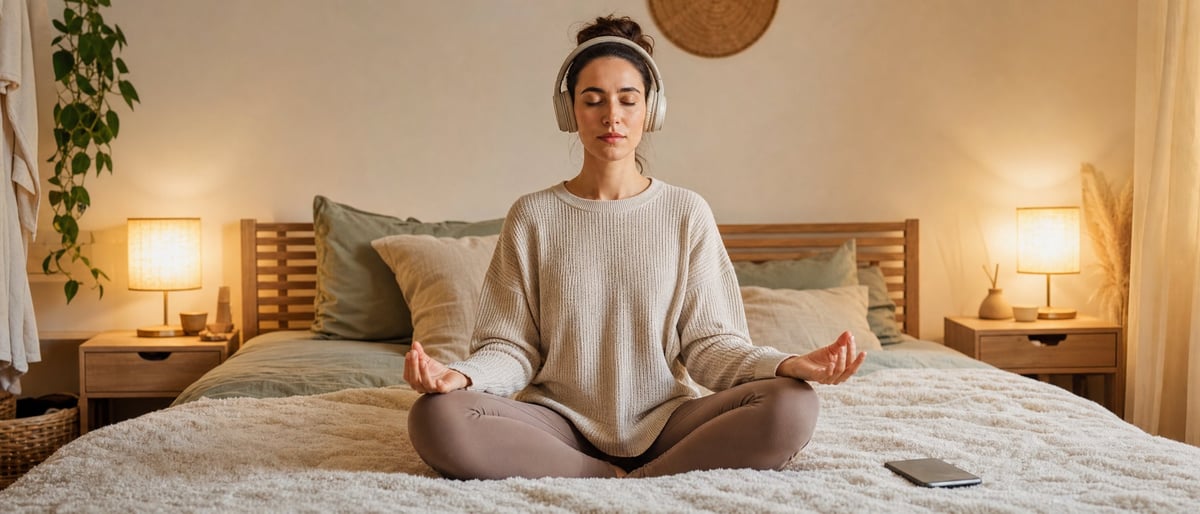
Because recovery isn't the ideal environment for learning how to meditate.
A person recovering from a procedure may be in pain, anxious, stressed, tired, distracted, unable to sleep — and may never have meditated before. Alothia was designed around that reality.
Traditional meditation can require someone to maintain focus, generate imagery, regulate breathing, quiet distraction, and remember what they're supposed to be doing — all while trying to reach a state they may have never experienced before. That's a lot to ask from someone who doesn't feel well.
So Alothia moves much of that complexity into the design of the protocol itself. The person is shown what to visualize before beginning. Short cues guide shifts in attention. The soundscape reinforces the imagery. Breathing is incorporated into the experience. And beneath it all, binaural beats provide rhythmic auditory stimulation designed to encourage neural activity toward the frequency ranges associated with each stage of the meditation — a process commonly referred to as neural entrainment.
Rather than asking someone to figure out how to reach the intended meditative state entirely on their own, Alothia gives the mind multiple coordinated cues designed to help guide it there.
You don't have to be good at meditation to benefit from it anymore.
Put on your headphones. Press play. Follow the cues. Visualize.
So how does Alothia actually accomplish that?
It starts with the journey — showing you where you'll go before you take the first step.
Before the first meditation, patients watch a short — approximately six-minute — Visualization Map video. The video walks them through the six stages of the meditation, explains what each cue means, and uses visual imagery to demonstrate what they should try to picture in their mind when they hear it.
This preparation allows the meditation itself to use short, carefully timed cues rather than constant instruction. When a cue is heard, the patient already knows what it represents, where to direct their attention, and what to visualize — leaving more space to become immersed in the experience.
The Visualization Map isn't something patients need to watch before every session. Most will only need to watch it once or twice, particularly when using the meditation regularly, and can return to it anytime they want a refresher.
Once the map is familiar, the experience becomes remarkably simple: put on your headphones, press play, follow the cues, try to see as much as possible in your own mind.
Underneath that simple experience, however, two complementary systems are working together.
The mind creates the experience
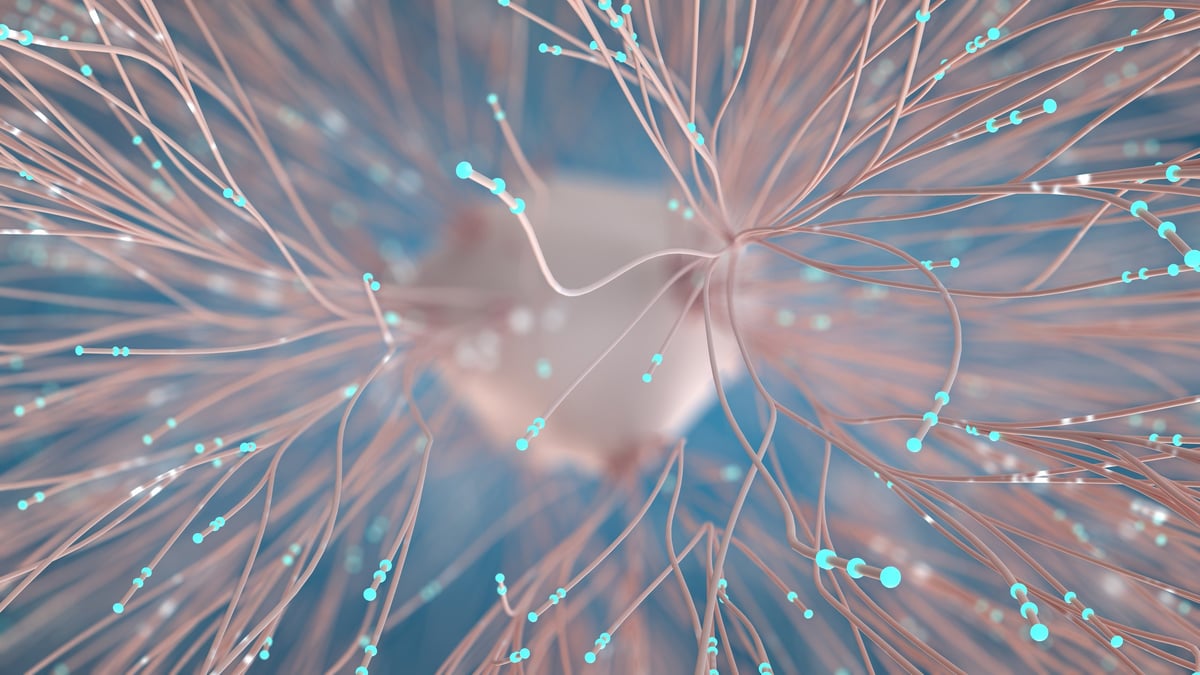
Short verbal cues initiate internally generated processes involving visualization, attention, breathing, emotion, memory, and bodily awareness. Instead of continuously telling the person what to think or imagine, Alothia provides the cues and structure while allowing their own mind to construct the experience.
Because the Visualization Map has already established what each cue represents, a short phrase can call up a much richer internal experience without interrupting the meditation with constant explanation. The cue becomes a trigger for imagery, sensation, attention, and emotion that the person generates for themselves.
The person isn't simply listening to the meditation. Their mind is actively participating in creating it.
This approach is AIM — Archaic Idiothetic Meditation. Idiothetic refers to information and stimulation generated from within.
AIM is built around the idea that meditation contains active internal processes — not just passive relaxation. Breathing, focused attention, mental imagery, interoception, emotional regulation, and cognitive reframing can each influence how the mind and body respond during the experience.
Rather than trying to do all of those things consciously at once, AIM uses a small number of learned cues to help bring them together into a single, internally generated experience.
The soundscape creates the environment
Surrounding the internally generated meditation is an immersive auditory environment designed to reinforce the visualization as it unfolds.
Spatial audio and psychoacoustic elements create movement, distance, texture, and atmosphere around what the person is imagining. Rather than simply providing background music, the soundscape supplies auditory information that adds dimension to the visualization while helping draw attention away from outside distractions and deeper into the experience.
Because sound can suggest movement, space, sensation, or changes in environment without additional verbal instruction, NAPTS helps create a richer experience while allowing the meditation itself to remain uncluttered.
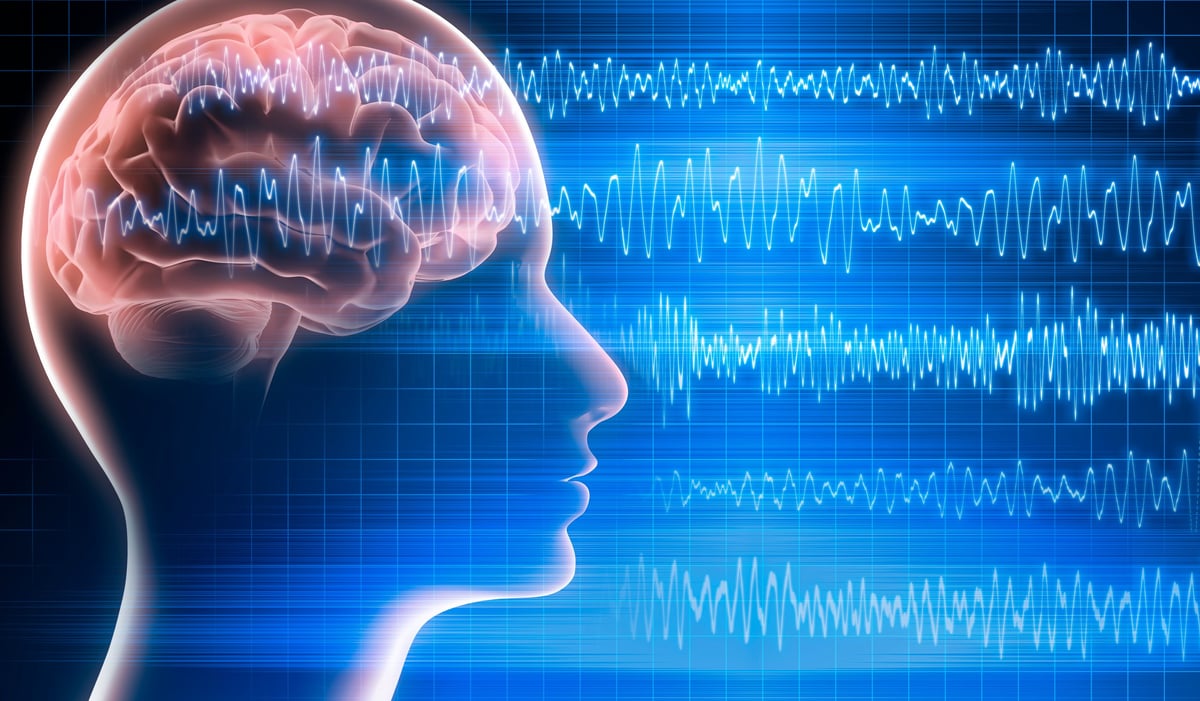
Beneath the soundscape, binaural and other rhythmic audio elements provide another layer of stimulation. Portions of this frequency architecture are informed by EEG observations of experienced meditators, with the audio designed to encourage neural activity toward frequency ranges associated with different stages of the meditation.
This system is NAPTS — Neural Allothetic Psychoacoustic Theatrical Soundscapes. Allothetic refers to information and stimulation originating outside the individual.
NAPTS gives the internally generated meditation an external sensory environment designed to guide, reinforce, and deepen the experience.
Two directions. One experience.
AIM
works from the inside out.
NAPTS
works from the outside in.
Alothia synchronizes the two around a single purpose — helping the user move through a structured meditation experience designed around a specific objective.
The experience is designed to develop with practice.
Alothia isn't built around the idea that one session produces the maximum possible response. Repetition is part of the protocol.
As the Visualization Map becomes familiar, the cues require less conscious thought, the imagery becomes easier to access, and the user becomes increasingly familiar with the progression of the experience.
Meditation research broadly supports repeated practice as an important component of meditation-based interventions, although the optimal frequency and duration varies by intervention and outcome.
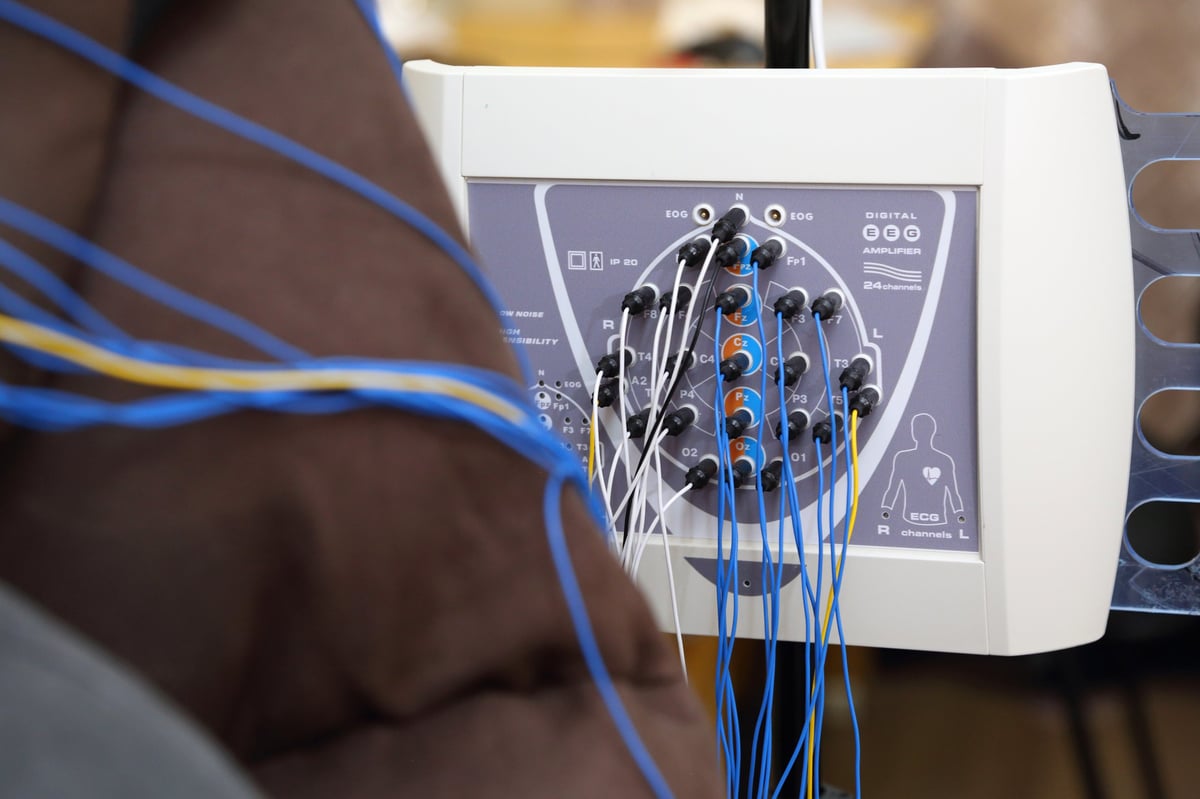
Alothia's own early observations — including EEG, HRV, and participant reporting — also support continued investigation into whether responses become more consistent and accessible with repeated use. Those observations remain preliminary and are part of Alothia's ongoing research program.
Explore the ResearchBuilt around the challenges patients actually experience.
The architecture underneath Alothia is sophisticated, but its purpose is practical — help people navigate some of the most difficult parts of recovery.
Recovery Support
Recovery rarely depends on a single factor. Pain can interfere with sleep. Poor sleep can increase stress and make pain more difficult to manage. Anxiety can keep the mind and body activated when rest is needed.
Alothia is designed to address these interconnected parts of the recovery experience together — helping create more supportive conditions for the body's natural healing processes.
Research into whether meditation can directly influence physical healing is promising in some areas but remains earlier and less established than the evidence for pain, stress, anxiety, and sleep. Alothia does not claim otherwise.
The goal is not to replace the body's healing process or conventional care — it is to better support the conditions in which recovery takes place.
- 1Watch the Visualization Map.
- 2Put on your headphones.
- 3Press play.
- 4Follow the cues.
- 5Visualize.
Alothia handles the architecture underneath the experience.