
More than meditation. Designed for a specific outcome.
Alothia takes a different approach to meditation. Instead of asking patients to learn a technique or follow continuous guidance, each session combines cue-based meditation, immersive psychoacoustic soundscapes, and targeted binaural beats into a single experience — giving the brain and body multiple pathways into the target state, rather than relying on meditation skill alone.
It's designed to work even for patients with no meditation experience.
Neuroscience-based, purpose-built for recovery.
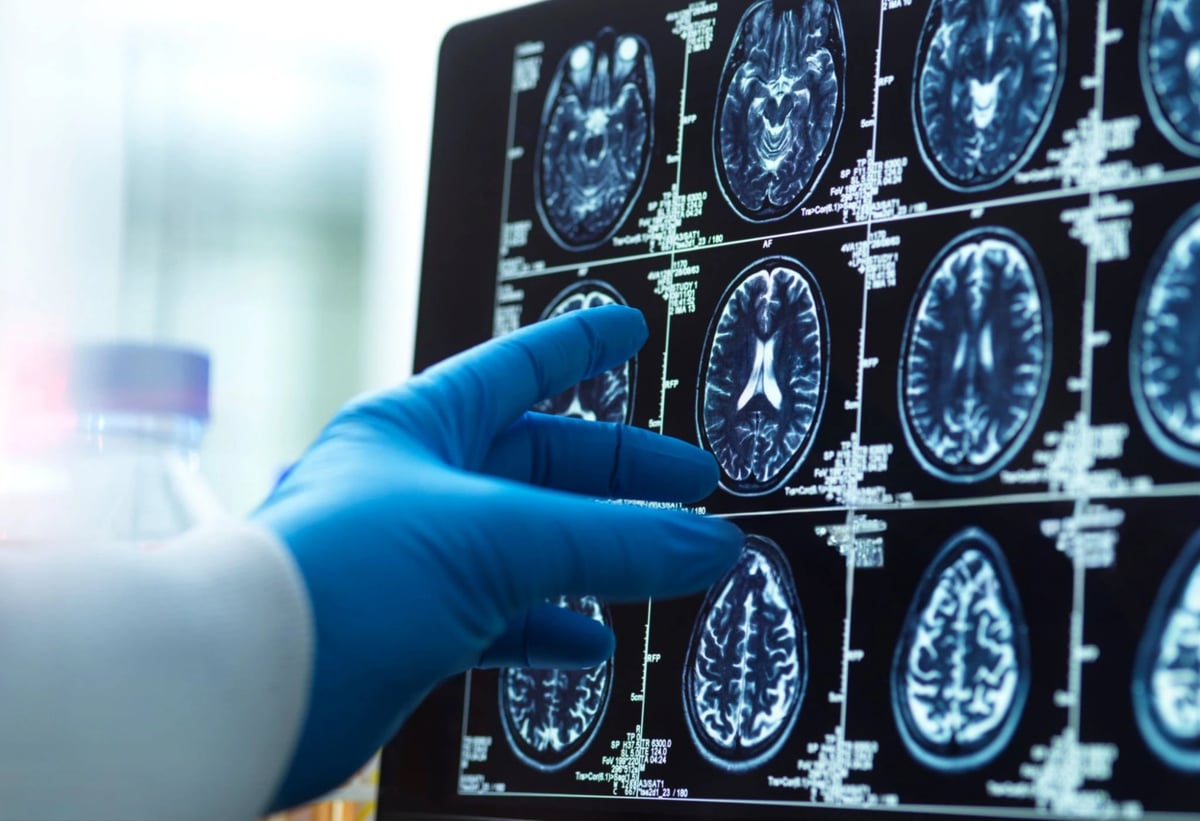
Three elements, one experience
Alothia doesn't ask patients to learn a technique. Instead, each session layers three elements together to help them enter and sustain the state a specific outcome calls for.
Cue-based meditation
Focused visualization and sensory cueing direct attention — closer to structured contemplative practice than open-ended meditation.
Immersive psychoacoustic soundscape
A 3D soundscape provides sensory cueing that helps patients settle into the experience and stay with it.
Targeted binaural beats
Specific frequencies support the brain states associated with the session's intended outcome.
Each protocol is purpose-built around one outcome: reducing pain, supporting healing, improving sleep, or lowering stress.
What the research shows — and what it doesn't yet tell us
Alothia is built from techniques that have been independently studied across surgical populations. Here's how that evidence breaks down by outcome — pain, anxiety, sleep, stress, and healing.
Imagery and audio-based interventions have repeatedly reduced reported pain following surgery.
- A 2025 meta-analysis of 15 binaural-beat trials found reduced pain (pooled SMD −0.61).
- A meta-analysis of 92 surgical RCTs (7,385 patients) found music reduced pain by ~10 points on a 100-point scale.
- A 2023 RCT of imagery after lower-extremity surgery reported mean pain scores of 2.56 vs. 4.10 in controls (p < .001).
Anxiety before and after surgery has responded consistently across meditation, music, and binaural-beat studies.
- A 92-RCT meta-analysis found music reduced anxiety by ~21 points on a 100-point scale.
- A 2005 RCT of binaural beats found a 26.3% reduction in pre-operative anxiety (vs. 11.1% for audio without binaural beats).
- A 2024 systematic review of perioperative meditation found 9 of 10 studies reporting anxiety improvement.
Sleep disruption is common after surgery, and the published evidence here is thin: this rests on a single randomized trial rather than an established body of work.
- A single randomized trial during laparoscopic cholecystectomy (n = 68) found significantly better sleep scores in the intervention group (mean 2.67 vs. 7.55 in usual care, p = .001).
Stress is measured here through its physiological signature rather than self-report alone — the most direct evidence in the literature.
- The 2025 binaural-beat meta-analysis found heart rate reduced by ~3.4 bpm and systolic pressure by ~5.6 mmHg.
- Alothia's own approach goes further — tracking EEG brain-state activity and heart-rate variability (HRV) directly, rather than relying on subjective reporting alone (see below).
Relaxation and imagery have been associated with measurable changes in collagen deposition, skin-barrier recovery, and wound closure. Healing is measured here through objective biological markers and observed wound closure — not self-report alone.
- A randomized surgical study found greater hydroxyproline deposition, a marker of collagen formation and wound healing (mean difference 0.35; p = 0.03).
- A preliminary study found improved skin-barrier recovery following a relaxation-based intervention (p = 0.032).
- One small older diabetic foot-ulcer trial reported healing in 87.5% of participants versus 43.8% of controls, although later studies have not replicated this result consistently.
What this doesn't tell us
These studies support the individual components Alothia is built from. They are not clinical validation of Alothia itself. Showing that meditation, music, or binaural beats can help patients doesn't establish that Alothia's specific combination of them does — that's a separate body of work we're building now.
The evidence in this space is also not uniformly positive, and we think that matters more here than in most marketing. A 2024 double-blind trial of intraoperative music (IMPROMPTU, n = 70) found no significant difference in postoperative pain, opioid use, complications, or length of stay compared to silence. A 2018 randomized trial of hypnosis in children with acute burns (n = 62) found no effect on pain intensity or wound re-epithelialization, despite reducing preprocedural anxiety and heart rate. A 2025 systematic review of relaxation interventions for diabetic foot ulcers found no convincing evidence of superior healing compared to standard care.
We're not citing these to undercut the studies above — pain and anxiety reduction have real, repeated support. We're citing them because "supports healing" and "reduces pain" are different claims with different levels of evidence, and conflating them is exactly the kind of overreach we're trying not to make. The full reference list carries these citations alongside the supportive ones.
Unlike most meditation research, which relies on self-reported outcomes alone, Alothia tracks EEG brain-state activity and heart-rate variability (HRV) during and after each session, alongside patient-reported measures.
In early testing, 87% of first-time users showed a measurable shift in EEG activity or HRV during their first session, rising to 100% by the third session.
In a smaller subset of this early testing (n = 22), HRV changes sometimes appeared before participants consciously reported a difference, and before a corresponding EEG shift was detectable. This is preliminary, but it suggests HRV may capture autonomic changes before they become subjectively noticeable.
This internal data is promising, not yet clinical validation. Ongoing work is measuring how the complete protocol performs across partner practices, tracking pain, anxiety, sleep, adherence, and physiological markers over time — so the evidence grows around Alothia itself, not just the techniques it's built from.
Full citations
Numbers match the superscript references used throughout the site.
- [1]Rajjoub R, Sammak SE, Rajjo T, et al. Meditation for perioperative pain and anxiety: a systematic review. Brain and Behavior. 2024.
- [2]Lu YJ, Lee MC, Chen CY, et al. Effect of guided imagery meditation during laparoscopic cholecystectomy on reducing anxiety. Pain Management Nursing. 2022.
- [3]Xiong J, Jiang X, Cai B, et al. Binaural beats for perioperative anxiety and pain: a systematic review and meta-analysis. Complementary Therapies in Medicine. 2025.
- [4]Kühlmann AYR, de Rooij A, Kroese LF, et al. Meta-analysis evaluating music interventions for anxiety and pain in surgery. British Journal of Surgery. 2018.
- [5]Zengin Aydın L, Doğan A. The effect of guided imagery on postoperative pain management in patients undergoing lower extremity surgical operations. Orthopedic Nursing. 2023.
- [6]Dowsey M, Castle D, Knowles S, et al. The effect of mindfulness training prior to total joint arthroplasty on post-operative pain and physical function. Complementary Therapies in Medicine. 2019.
- [7]Padmanabhan R, Hildreth AJ, Laws D. Binaural beat audio and pre-operative anxiety in patients undergoing general anaesthesia for day case surgery. Anaesthesia. 2005.
- [8]Holden-Lund C. Effects of relaxation with guided imagery on surgical stress and wound healing. Research in Nursing & Health. 1988.
- [9]Robinson H, Jarrett P, Broadbent E. The effects of relaxation before or after skin damage on skin barrier recovery: a preliminary study. Psychosomatic Medicine. 2015.
- [10]Shulimson AD, Lawrence PF, Iacono CU. Diabetic ulcers: the effect of thermal biofeedback-mediated relaxation training on healing. Biofeedback and Self-Regulation. 1986.
The complete research brief — including the null and mixed findings — formatted for internal forwarding.
See the science in action for your patients
Talk to Our Team and we'll walk you through how Alothia's purpose-built sessions support recovery — one-on-one, at your pace.